Portugal’s Betting Revolution: New Licenses Reshape Market
Regulatory Renaissance Transforms Portuguese Gaming Landscape
Portugal’s betting market is experiencing an unprecedented transformation as the country’s gaming regulator, SRIJ (Serviços de Regulação e Inspeção de Jogos), accelerates the issuance of new sportsbook licenses throughout 2026. This regulatory shift marks a dramatic departure from the historically restrictive approach that limited market participation to a handful of operators.
The numbers tell a compelling story. Since January 2026, SRIJ has approved 23 new sportsbook licenses, representing a 340% increase compared to the entire previous year. This surge has attracted major international operators, with combined market entry investments exceeding €180 million. Industry analysts predict this influx will push Portugal’s gross gaming revenue beyond €2.8 billion by year-end, positioning it among Europe’s fastest-growing regulated markets.
The licensing expansion isn’t just about quantity—it’s fundamentally reshaping how Portuguese players engage with sports betting. Enhanced competition has driven innovation in live betting features, with operators like 20Bet introducing sophisticated in-play wagering options that mirror the real-time excitement found in live casino environments. This convergence between sports betting and live gaming experiences reflects broader industry trends toward immersive, interactive gambling products.
Market Dynamics Shift as Competition Intensifies
The influx of new operators has triggered a pricing war that benefits Portuguese consumers. Average betting margins have dropped from 8.2% in 2025 to 6.7% in early 2026, while promotional spending has increased by 420%. This competitive pressure extends beyond traditional sports betting into emerging verticals like esports and virtual sports, where margins remain higher but adoption is accelerating rapidly.
Regional market penetration varies significantly across Portugal’s districts. Lisbon and Porto account for 62% of total betting volume, but newer operators are targeting underserved regions through localized marketing campaigns and Portuguese-language customer support. The Algarve region, traditionally dominated by tourism-related gaming, has seen a 180% increase in local betting activity as residents embrace newly available platforms.
Mobile betting now represents 89% of all wagers placed in Portugal, up from 71% just two years ago. This mobile-first approach has forced operators to invest heavily in app development and user experience optimization. The most successful new entrants have prioritized seamless payment integration, with Multibanco and MB Way adoption reaching 94% among Portuguese bettors.
Regulatory Framework Balances Growth with Consumer Protection
SRIJ’s licensing strategy reflects careful consideration of market sustainability versus rapid expansion. Each new license comes with stringent responsible gambling requirements, including mandatory spending limits, session time restrictions, and integration with Portugal’s national self-exclusion database. These measures have proven effective—problem gambling indicators remain stable despite the market’s rapid growth.
The regulatory framework also emphasizes technological compliance. New licensees must demonstrate robust geolocation systems, anti-money laundering protocols, and data protection measures that exceed EU standards. This technical rigor has attracted premium operators while deterring less sophisticated entrants, maintaining overall market quality despite increased competition.
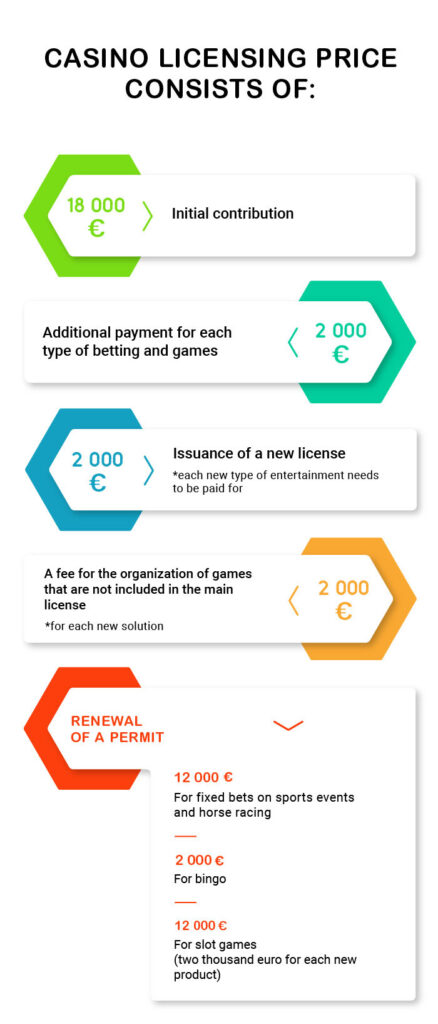
Tax revenue implications are substantial. Portugal’s 8.8% gross gaming revenue tax on sports betting generated €127 million in the first half of 2026, already exceeding full-year 2025 collections. Additional licensing fees and regulatory charges contribute an estimated €34 million annually, funds earmarked for sports development and problem gambling prevention programs.
International Operators Navigate Local Preferences
Success in Portugal’s evolving market requires deep understanding of local betting preferences. Football dominates with 73% of total betting volume, but tennis (12%) and basketball (8%) show strong growth trajectories. Newly licensed operators have discovered that Portuguese bettors favor combination bets and live wagering, with in-play betting accounting for 45% of total stakes—significantly higher than the European average of 32%.
“Portuguese bettors are sophisticated and demanding,” explains Maria Santos, Senior Gaming Analyst at Lisbon-based consultancy GameTech Insights. “They expect competitive odds, extensive live betting options, and seamless mobile experiences. Operators that treat Portugal as just another European market typically struggle to gain traction.”
Cultural factors influence product development decisions. Portuguese operators have found success with social betting features that allow friends to share bets and compete in private leagues. These community-oriented approaches resonate strongly with local gambling culture, where social interaction traditionally accompanies betting activities.
Technology Innovation Drives Market Differentiation
The competitive landscape has accelerated technological innovation across multiple dimensions. Artificial intelligence-powered personalization engines now deliver customized betting recommendations to 78% of Portuguese players, while machine learning algorithms optimize odds compilation and risk management in real-time.
Live streaming integration has become a crucial differentiator. Operators offering in-app streaming report 340% higher customer lifetime values compared to those relying on external feeds. This trend mirrors developments in live casino gaming, where authentic, real-time experiences command premium player engagement and retention rates.
Cryptocurrency adoption remains nascent but growing, with 12% of Portuguese bettors expressing interest in Bitcoin or stablecoin wagering options. Forward-thinking operators are developing crypto-friendly platforms while navigating evolving regulatory guidance from both SRIJ and European banking authorities.
Economic Impact Extends Beyond Gaming Sector
Portugal’s betting market expansion generates significant economic spillover effects. The industry directly employs over 3,200 people nationwide, with new licenses adding an estimated 800 positions in 2026 alone. These roles span technology development, customer service, compliance, and marketing—often requiring specialized skills that command above-average salaries.
Indirect economic benefits include increased tax revenue for municipalities hosting operator offices and data centers. Porto has emerged as a regional hub for gaming technology companies, attracting international talent and investment. The city’s gaming cluster now includes 47 companies employing over 1,100 professionals, transforming it into a recognized European gaming technology center.
Sports sponsorship spending has increased dramatically as operators compete for brand visibility. Portuguese football clubs received €89 million in betting industry sponsorships during 2026, representing 23% of total league revenue. This influx supports player development, facility improvements, and grassroots programs that benefit Portuguese football at all levels.
Future Trajectory Points Toward Continued Expansion
SRIJ signals continued openness to qualified applicants while maintaining high standards for market entry. Industry insiders anticipate 15-20 additional licenses by year-end, though the regulator emphasizes quality over quantity in evaluation processes. This measured approach aims to prevent market oversaturation while ensuring sustainable competition.
Emerging technologies will likely influence future licensing decisions. Virtual reality betting experiences, blockchain-based transparency systems, and advanced AI-driven responsible gambling tools represent areas where innovative operators can differentiate themselves. Early adopters of these technologies may find favorable regulatory consideration as SRIJ seeks to position Portugal as a European gaming innovation leader.
“The Portuguese market is entering a maturation phase where operational excellence matters more than simply being present,” notes João Pereira, former SRIJ advisor and current industry consultant. “Operators that invest in local partnerships, technological innovation, and genuine customer value creation will thrive in this evolved competitive environment.”
Cross-border opportunities also beckon as Portugal strengthens gaming relationships with other Portuguese-speaking markets. Potential expansion into Brazil’s developing sports betting sector could provide Portuguese operators with significant growth opportunities, leveraging shared language and cultural connections to compete against established international brands.